
Alloy Bravo III Anode for MerCruiser 62 mm Long SA211001
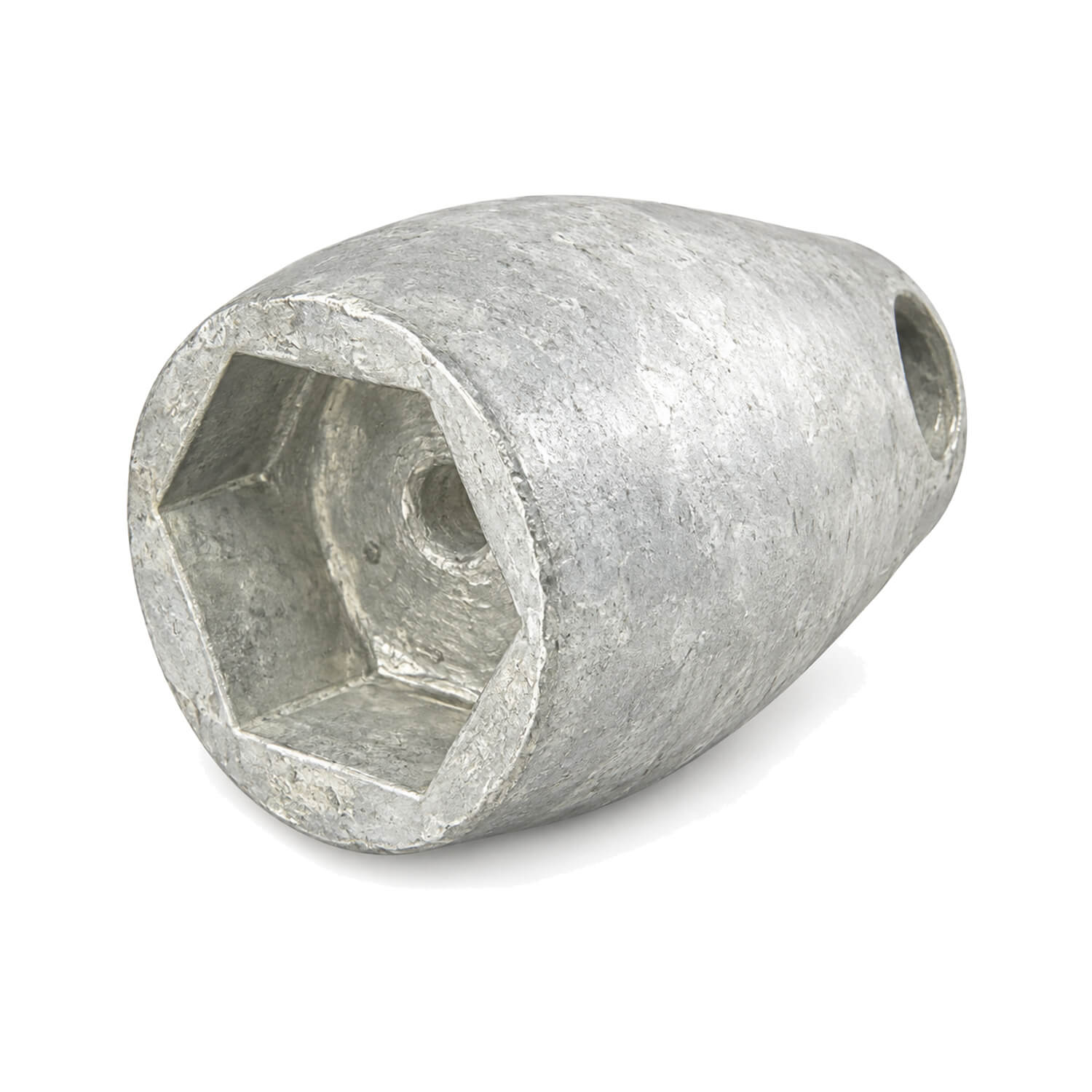

Plan your next marine service with the Alloy Bravo 3 Anode for Mercruiser 211001. This sacrificial anode helps protect a vessel's engine or running gear from galvanic corrosion associated with dissimilar metals in a marine environment. Match its material, shape and fitting dimensions to the specific installation before selecting your replacement.
This replacement is specified as an alloy anode. Confirm the exact alloy composition and its suitability for the operating water conditions before installation. Match the material requirements of the engine or drive as well as the fitting dimensions, particularly if the vessel has moved to a different operating environment.
Match the engine or drive designation and the replacement reference before checking the mounting detail. Similar-looking anodes can differ in hole spacing, thread, height or orientation. Where an engine range is given, confirm the actual model and serial number as part of the selection.
Product details
- Engine application: Mercruiser
- Anode design: Bravo 3
- Length (mm): 62
- O.D. (mm): 52
- Hole (mm): 9
- Int Hex (mm): 38
- Material: Alloy
- Weight (kg): 0.19
- Mercruiser replacement reference: 00836AL
Selection and maintenance
Include anode condition in your regular equipment checks. Look for changes in the remaining material and the condition of the mounting area, then follow the vessel or engine maker's guidance on replacement. Check associated fasteners and contact surfaces when the part is removed, and resolve any damage before fitting the replacement. If consumption changes noticeably, ask a marine technician to assess the installation rather than simply fitting a different size. Keep the part number and fitting details with your maintenance records so the same specification can be identified at the next service. Review the material choice if the vessel moves to a different type of water or the installation changes.
Plan the job around access to the fitted location. Compare the replacement with the original component before assembly, allowing for material already lost from the old anode. Use the equipment manufacturer's fitting procedure and tightening instructions; dimensions alone do not establish the correct installation method. A careful match helps avoid ordering a visually similar part with a different mounting arrangement.