
Stainless Push-On Wiper Blade - 350mm, Standard Marine Wiper Replacement SP98
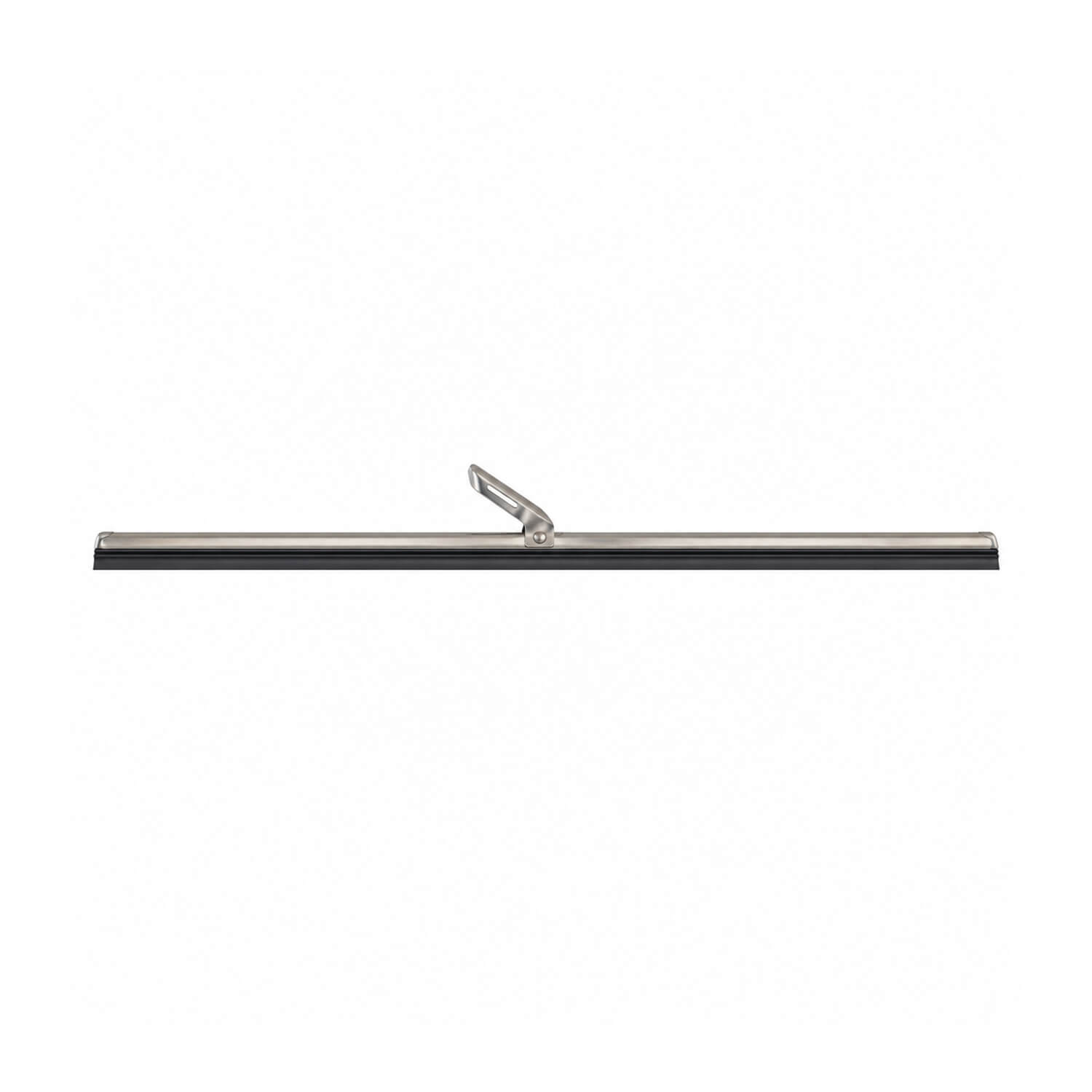

Stainless steel wiper blade with flexible rubber wiping edge and push-connect attachment. Suits RWB215, RWB2847 and RWB2849 standard wiper systems.
- Length: 350mm
This 350mm version is the longer push-connect blade option for the listed standard wiper systems. Its extra length makes checking the window frame clearance especially important when replacing a shorter blade or altering the existing arm setting.
A replacement blade is a practical maintenance choice when the existing wiping edge has become worn, split or uneven. A sound blade helps clear rain and spray from the helm viewing area, provided it is matched to the arm, motor and windscreen. Compare the old blade length and connection arrangement before ordering, particularly when the boat has had previous wiper modifications.
Length is only one part of selecting a blade. Check the motor capacity, the arm position and the room available at both ends of the sweep. The blade must stay on the glass without striking a frame, window catch or neighbouring wiper. For a change in blade size, lay out the proposed wiping path first so the choice reflects the actual window rather than the largest blade that appears to fit.
For general replacement work, isolate the wiper supply and support the arm while removing the old blade. Protect the glass from the bare arm and follow the attachment instructions for the fitted system. Once connected, check that the blade is secure and able to sit correctly against the windscreen. Test on wet glass through the complete sweep and into the parked position.
Keep the windscreen and wiping edge clean as part of routine boat care. Salt crystals and grit can interfere with smooth wiping, so rinse them away before testing a new blade. If streaking continues after replacement, inspect the glass, arm alignment and contact pressure rather than assuming blade length alone is responsible. Periodic checks before heading out can help identify a deteriorating edge while the boat is still easy to service.