
Jabsco Extra Heavy Duty Marine Bilge Blower - 12V Flange Mount, 250 CFM J70-202
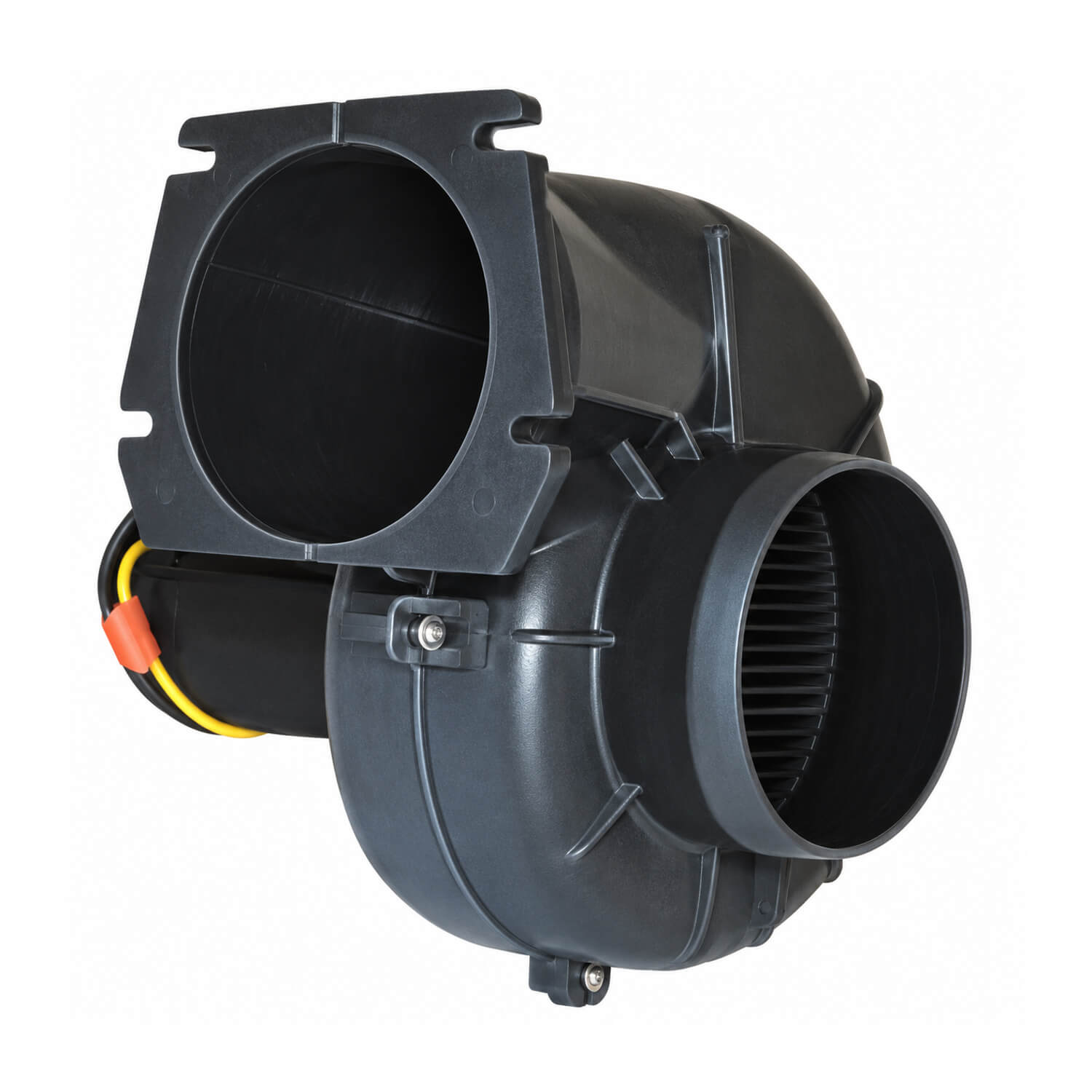

This 12V Jabsco extra heavy duty blower is intended for frequently used or commercial engine-room ventilation, combining 250 CFM capacity with a long-life motor and flange mounting for 100mm ducting.
Long-life motor rated for a minimum 5,000-hour motor life, for commercial or frequently used engine-room ventilation. Operating cycle is 1 hour on, then approximately 20 minutes off, depending on ambient temperature.
- Hose size: 100mm
- Airflow: 250 CFM (7.1 cubic metres/minute)
- Voltage: 12V
- Current: 11A
- Mounting: flange
The flange mount arrangement should be considered alongside the available mounting surface and duct route. Check the position of the ventilation opening and the space around the blower before committing to a layout. A practical installation should leave access for inspecting the hose connection and attending to the motor when required.
When selecting J70-202, check that the boat supplies 12V at the intended circuit and that the connected blower hose is 100mm. Treat airflow, electrical requirements and mounting format as separate selection checks. For a replacement, compare these details with the existing installation instead of relying on the appearance of the old blower.
Plan the complete air path, including where replacement air enters and where extracted air is discharged. Keep ducting supported and avoid unnecessary restrictions or sharp bends. These are installation considerations that can affect how a ventilation system performs once fitted; the listed blower capacity is only one part of choosing an appropriate arrangement.
The minimum motor-life rating is useful for comparing equipment intended for regular service, but the stated cooling cycle still applies. Allow approximately twenty minutes off after an hour of operation, with ambient temperature taken into account. For installation and operation, follow the blower instructions and the boat builder’s ventilation guidance.
For a frequently used engine room, consider whether the flange location gives a practical route for intake or extraction ducting. This is particularly useful to resolve during a refit, before other equipment limits access to the intended mounting area.