
Concealed Drop-In Marine Horn - 12V, 107dB, Black and White Fascia Grilles RWB606
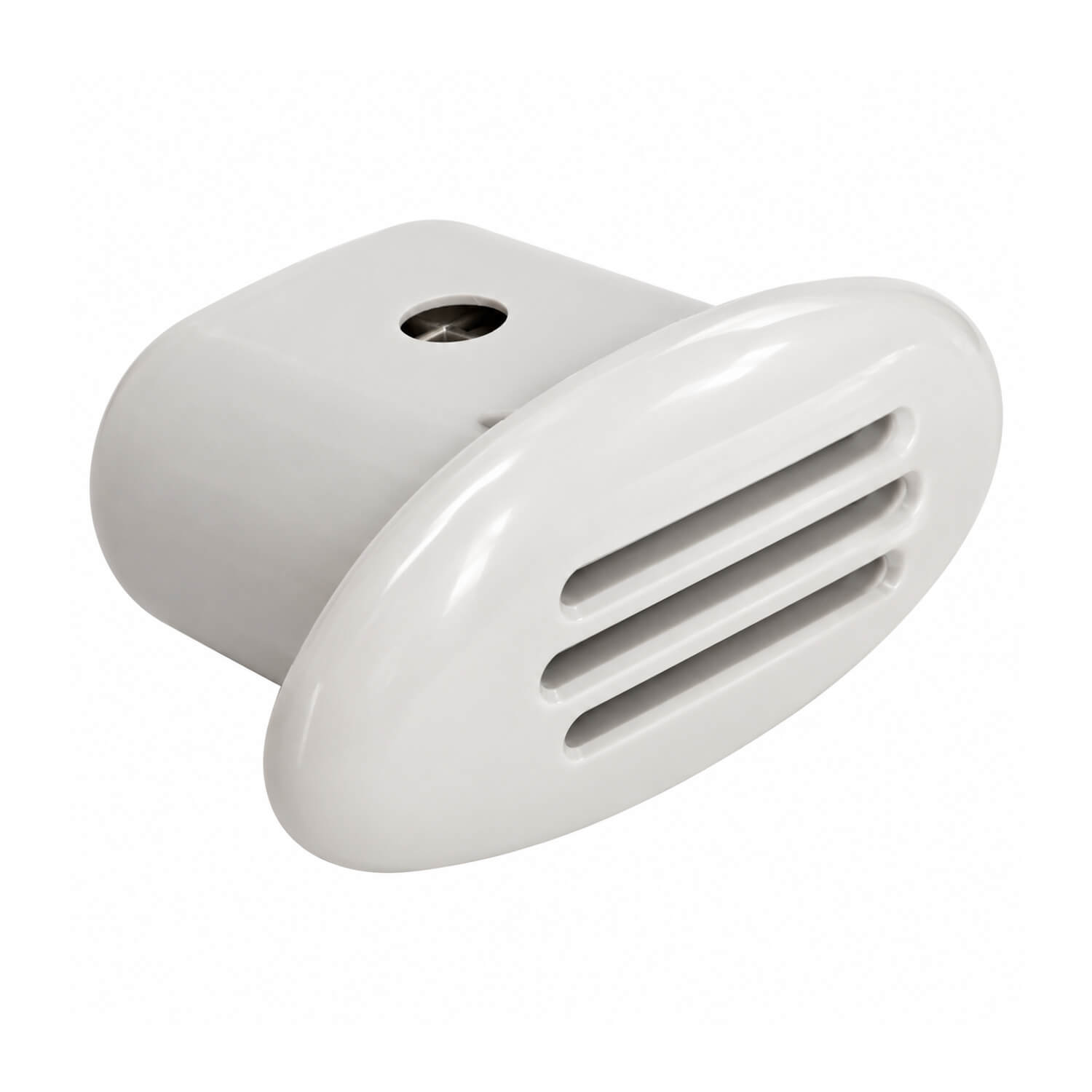
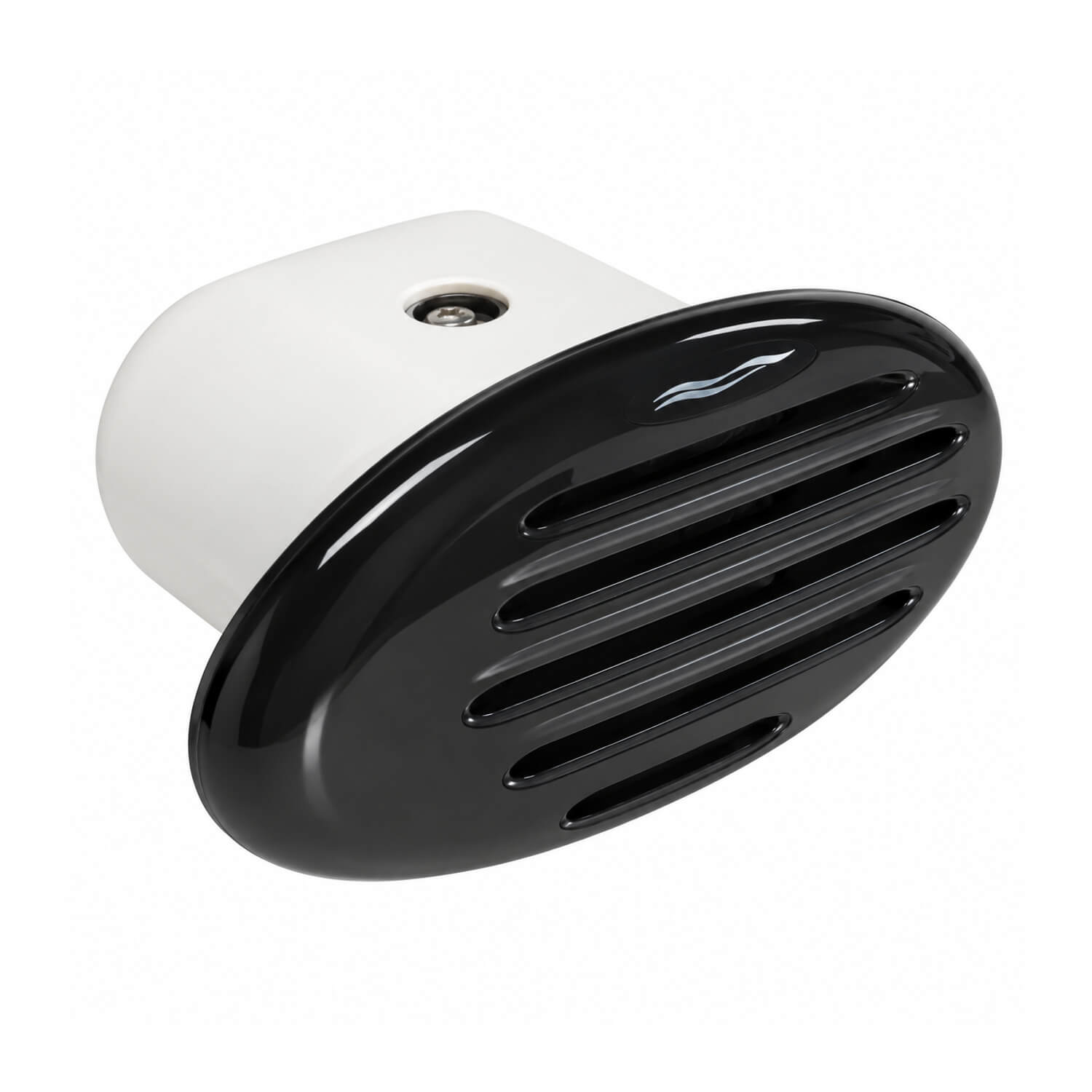

The 12V concealed drop-in marine horn is a practical replacement option when the horn is mounted behind a fascia rather than displayed as an external trumpet. Black and white grilles are supplied so the visible finish can suit the surrounding panel.
Concealed horn with stainless steel diaphragm and sealed sound unit. Supplied with black and white fascia grilles, waterproof fabric backing and stainless screws. Suitable as a drop-in replacement for many American-made boats.
- Voltage: 12V
- Current: 4A
- Sound rating: 107dB
The horn uses a stainless steel diaphragm and a sealed sound unit. Its supplied fascia grilles have waterproof fabric backing, and stainless screws are included. These details are useful when checking what comes with the replacement and planning how it will present on the boat’s exterior or trim panel.
This style is listed as a drop-in replacement for many American-made boats. For your particular boat, compare the existing horn, opening and fastening arrangement before ordering. A general application description is a useful starting point, but the actual panel and available space should be checked to establish the replacement fit.
The electrical specification is 12V with a listed current of 4A, and the sound rating is 107dB. Confirm the existing supply voltage and review the condition of the cable and connections while the old horn is accessible. Follow the product instructions for wiring, switching and circuit protection in the final installation.
Before fitting, decide which grille colour best suits the panel and inspect the surrounding surface. Keep the fabric backing and other supplied parts organised during assembly, then install them as directed. Plan the job so the concealed sound unit and its electrical connection can be reached for future inspection.
As practical preparation, photograph the existing installation before removal and note how it sits behind the fascia. Test the replacement horn after installation in accordance with the instructions, then include it in normal equipment checks. Choose signalling equipment against the needs and requirements of the vessel, using the listed sound rating as one part of that assessment.